A Guide to Portion Sizes for 1-2 Year Olds
Apr 07, 2026A Guide to Portion Sizes for 1-2 Year Olds
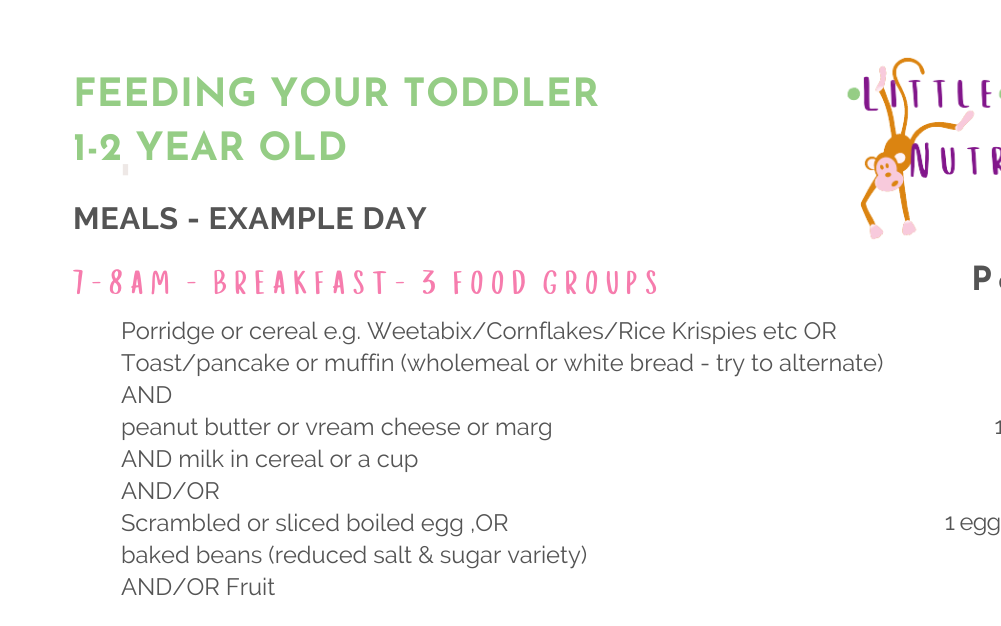
As parents, we all want to ensure our little ones are eating well and receiving the nutrition they need for healthy growth and development. For children aged 1-2 years, establishing a balanced diet with appropriate portion sizes is crucial. Here’s a simple guide to help you navigate this important stage.

Understanding a Balanced Diet
A balanced diet for a toddler includes a variety of foods from the following groups:
- Starchy Foods: These are a great source of energy and should include items like bread, rice, pasta, and potatoes. Aim for about five small portions throughout the day1.
- Fruits and Vegetables: Packed with vitamins and minerals, try to include at least five portions of a variety of fruits and vegetables each day1.
- Dairy Foods: Full-fat dairy products provide calcium for strong bones and teeth. Three portions of dairy, such as milk, cheese, or yogurt, are recommended daily1.
- Protein Foods: Foods like meat, fish, eggs, and beans provide essential protein and iron. Two portions per day are ideal, or three for vegetarian or vegan diets1.
Portion Sizes for Toddlers
Understanding portion sizes can be tricky, but here’s what you can consider as a guide:
- Starchy Foods: A portion of about the size of your baby's fist or ½-1 slice of bread per serving1.
- Fruits and Vegetables: ½ a piece of fruit like an apple or banana, or 2-3 tablespoons of cooked vegetables per serving2.
- Dairy Foods: ¾ cup (200g) of yogurt or ½ cup of milk per serving2.
- Protein Foods: 1-2 tablespoons of lean meat or 1-2 tablespoons of beans per serving2.
Tips for Feeding Your Toddler
- Variety is Key: Offer different foods to expose your child to various flavours and textures.
- Respect Their Appetite: Toddlers’ appetites can vary; they may eat less some days and more on others.
- Make Mealtimes Fun: Use colourful plates and cut foods into interesting shapes to make meals more appealing.
- Be Patient with New Foods: It may take several tries before a child accepts a new food.
Remember, these are general guidelines, and every child is unique. If you have concerns about your child’s diet or portion sizes, it’s always best to consult a healthcare professional.
In conclusion, a balanced diet and understanding portion sizes are fundamental to your child’s health. By offering a variety of foods and respecting their individual needs, you’re setting the stage for healthy eating habits that will last a lifetime.